
A compromised Social Security number (SSN) can wreak havoc on your life. With just your SSN, name, and birthdate, cybercriminals can open credit accounts and even impersonate you to government agencies or financial institutions. Many people don’t realize their personal information is openly available on the dark web until it’s too late.
A leaked SSN can lead to fraudulent charges and ruined credit, along with IRS complications. In some cases, victims have even faced criminal investigations due to identity thieves misusing their SSNs.
If you think your SSN was leaked, the first step is confirming the breach and understanding your legal options. A data breach lawyer can help you assess the damage, take immediate action to protect your identity, and determine whether the organization that exposed your information may be held liable for your losses.
The sooner you detect the problem, the better your chances of avoiding further harm. From credit monitoring to legal action, here’s what to do if your Social Security number has been compromised.
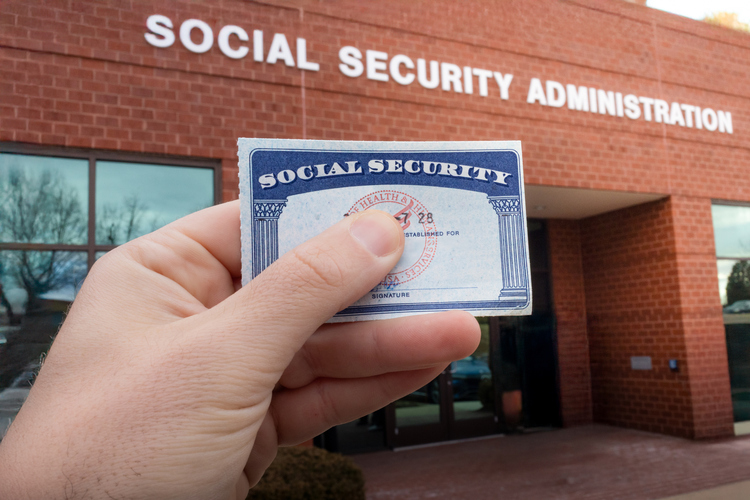
Signs your SSN has been stolen
If you’ve suddenly spotted one or more of these activities, there’s a good chance that your Social Security number may be in use by a fraudulent agent:
- You see unfamiliar credit accounts on your credit report or credit inquiries from sources you don’t recognize
- You’ve received a notification from the IRS that there are multiple tax returns filed under your SSN
- The IRS denies a tax refund you should have received
- You start receiving debt collection notices in the mail, or outstanding bills for credit cards you didn’t open
- Your private health care records have strange entries, or you’re receiving medical bills for services you never received
Your SSN is the key to virtually all your financial, medical, and personal information. With this number, criminals can impersonate you, even with the IRS. They could take out loans in your name and open lines of credit that they have no intention of repaying.
Steps you can take to protect yourself
Whether you just want to protect yourself from fraud or you’ve noticed one or more of the red flags above and need to take action, here are ways to protect yourself from SSN fraud:
Monitor your credit reports
You have the right to ask for one free credit report from the three major credit reporting agencies, Equifax, Experian, and TransUnion, each year. Be sure to read it carefully and alert the credit reporting agency of any items that are not legitimate.
Use an Identity Theft Protection Service
Legitimate identity theft protection services monitor your SSN use and alert you if it’s being used in a suspicious manner. While these services don’t prevent identity theft, they do help you catch issues so you can quickly respond.
Freeze your credit
Freezing your credit restricts access to your credit report, making it much more difficult for anyone to open accounts under your name and SSN. Each of the three major credit bureaus allows you to freeze and unfreeze your credit for free.
Steps to take if your SSN has been compromised
If you confirmed that your SSN was leaked and compromised, file a report for free with the Federal Trade Commission (FTC), then notify each of the three major credit bureaus that your identity was stolen. These agencies place a fraud alert on your credit, alerting potential lenders to take extra steps to verify your identity before approving lines of credit.
You can also file a police report if what you uncovered involves criminal activity or if you suffered financial loss due to the fraud. While there may not be much your local police department can do, filing the report can help you resolve any issues with potential creditors.
Finally, don’t forget to notify your bank, credit card company, and other financial institutions about the fraud. Their customer service and fraud departments may be able to help you recover stolen money or contest fraudulent charges.
If your social security number was compromised due to a data breach at a financial organization, healthcare facility, or other entity you did personal business with, you may have a claim against them for negligent security. Failure of the entity to properly secure and protect your private information could mean they’re liable for your losses. An experienced data breach attorney can help you assert your rights.
Take control after a data breach compromises your identity
Have you been a victim of identity theft or healthcare fraud? Get the help you need straightening things out with the major credit bureaus, the Social Security Administration, and law enforcement from the legal team at Mason LLP. We can help you initiate legal action after a damaging data breach and take your identity back. Contact us online today or call us at (202) 429-2290 for a personalized consultation.